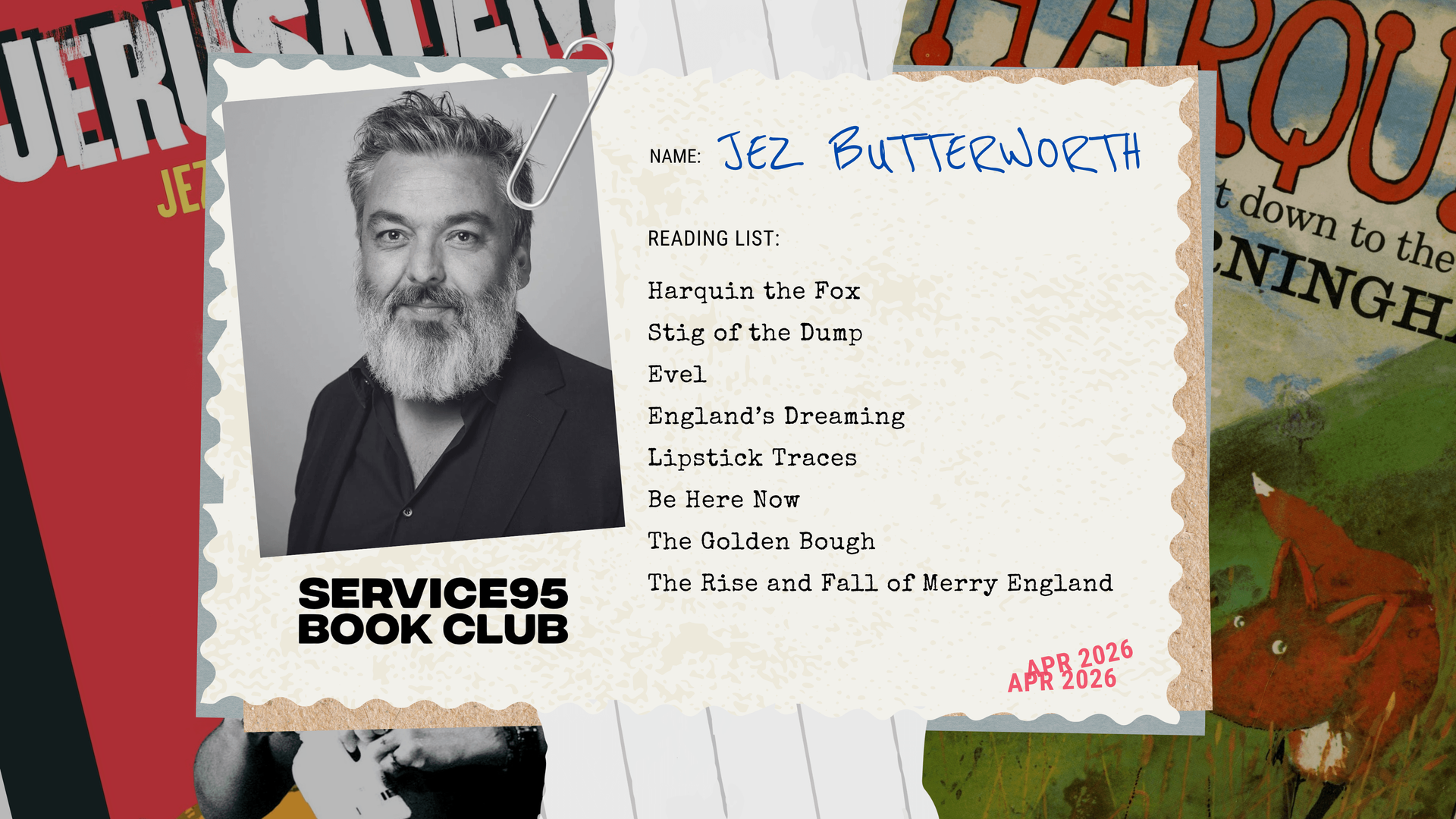
This April, the Service95 Book Club is reading Jerusalem by Jez Butterworth. In Dua’s words, it is “as alive on the page as it is on the stage.” She would know: she’s read it multiple times, seen it live in 2022 and interviewed Jez himself here.
We’ve asked Jez what to read next: the books that shaped his imagination as a child, planted the seeds for Jerusalem’s characters and echo the play’s sustained explorations of identity, outsider status and radical individualism. He also shared four film and TV recommendations below.
Harquin The Fox (1967) by John Burningham
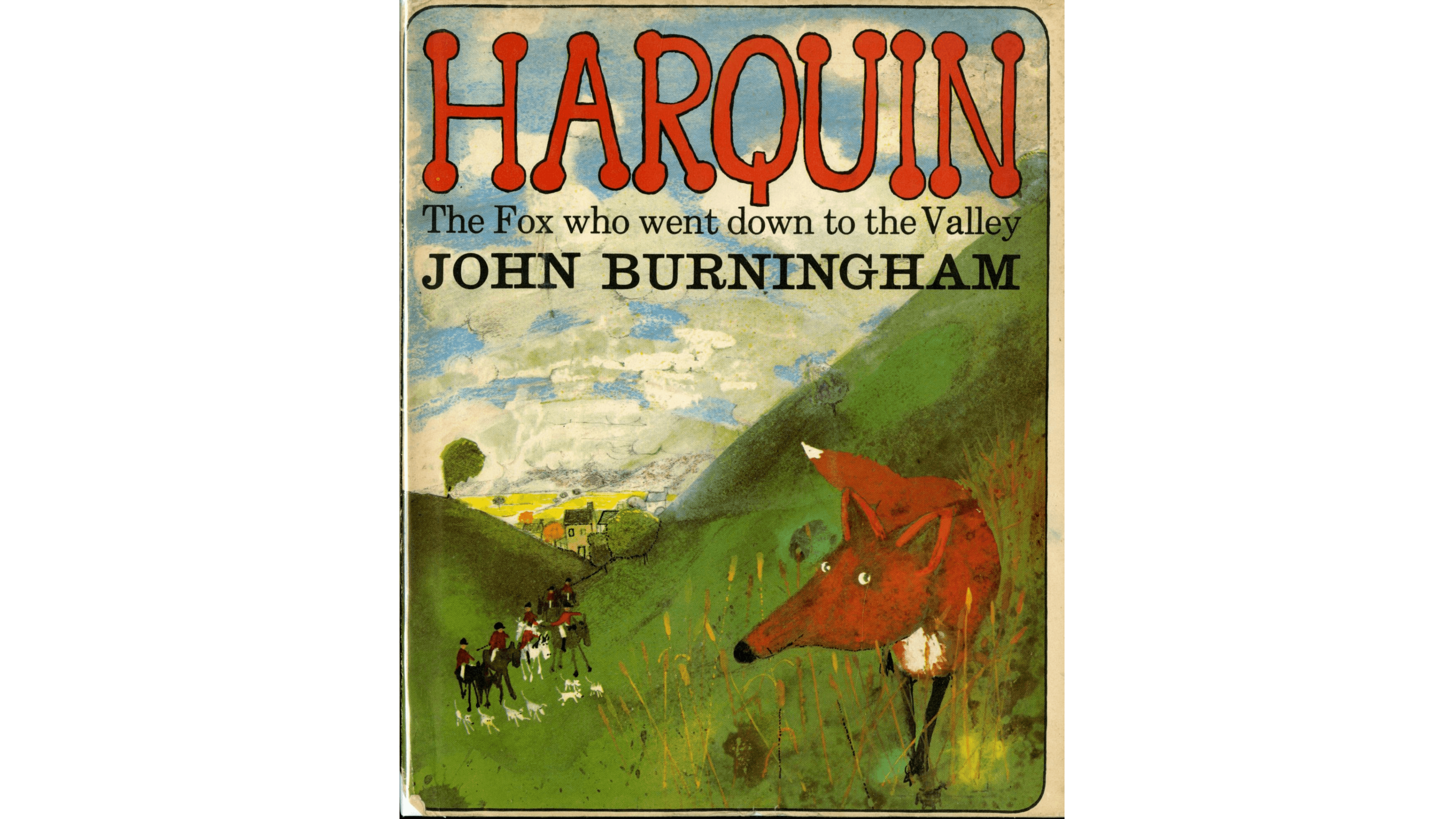
“We had this book as children. It is one of my earliest memories. Harquin is the outsider in its purest English form: defiant, stealthy, astonishing, cunning – yet targeted as a contaminant that must be removed. The book’s force is its refusal to sentimentalise either side. Harquin belongs to the landscape in a way the humans don’t, and that closeness makes him almost sacred – but it’s exactly that wild intimacy that marks him as taboo. He occupies both stations at once: a creature of grace and a permitted kill.”
Stig Of The Dump (1963) by Clive King
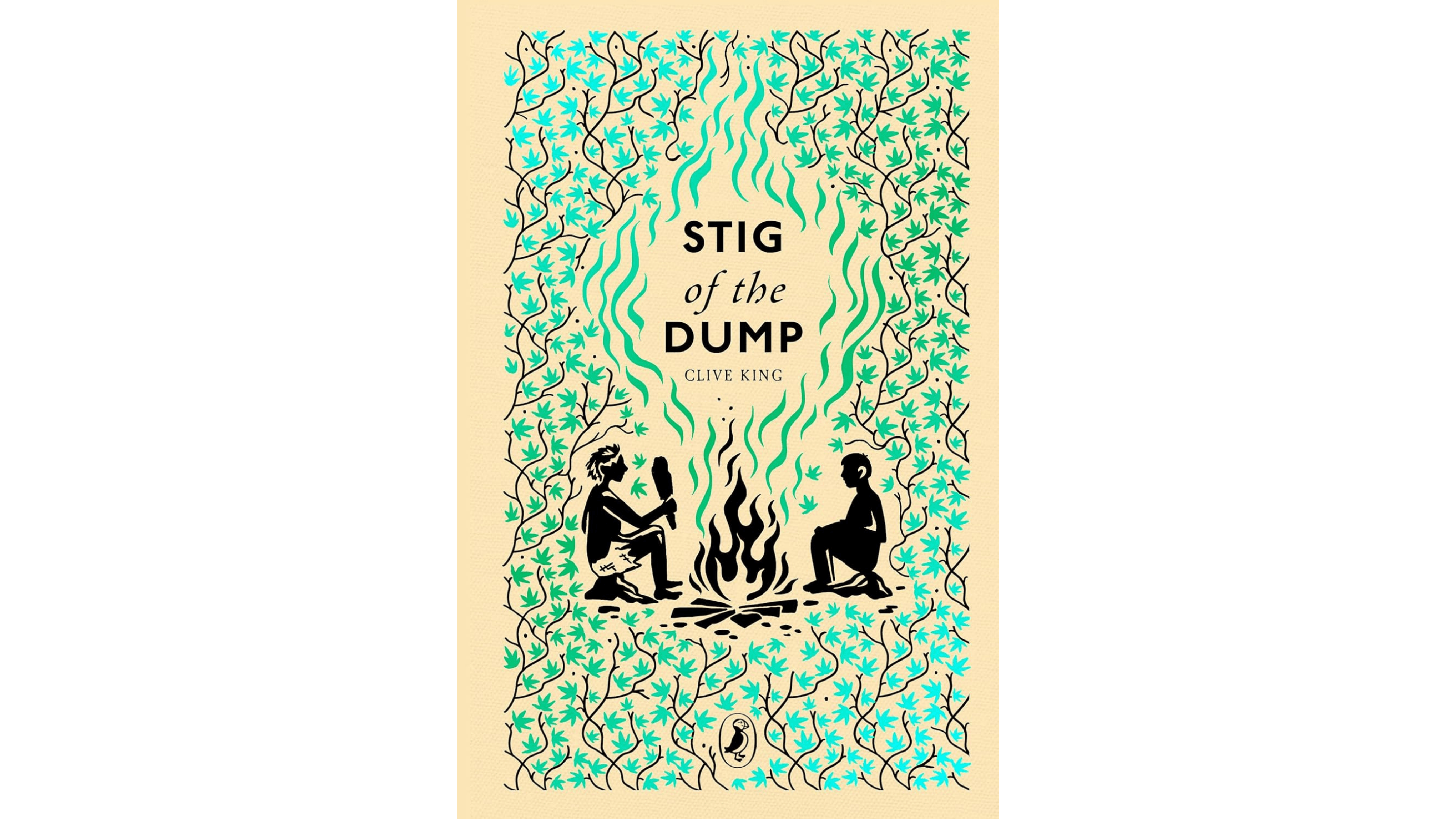
“I read this book in school. Stig lives at the rubbish-line where society ends. He’s ‘dirty’ by civilised standards, but he’s also uncorrupted by them: resourceful, capable, shamelessly alive. The book makes the outsider thrilling. He survives without permission, money, rules. He makes the centre look fragile.”
Evel (2004) by Leigh Montville

“Montville’s Evel Knievel is a public ritual figure, celebrated precisely for doing what ordinary life forbids: rehearsing death in front of witnesses; sacred and taboo in one job description. The crowd elevates him, then watches him break. He becomes both hero and warning. Evel has been a god to me since I was seven, up to now.”
England’s Dreaming (1991) by Jon Savage
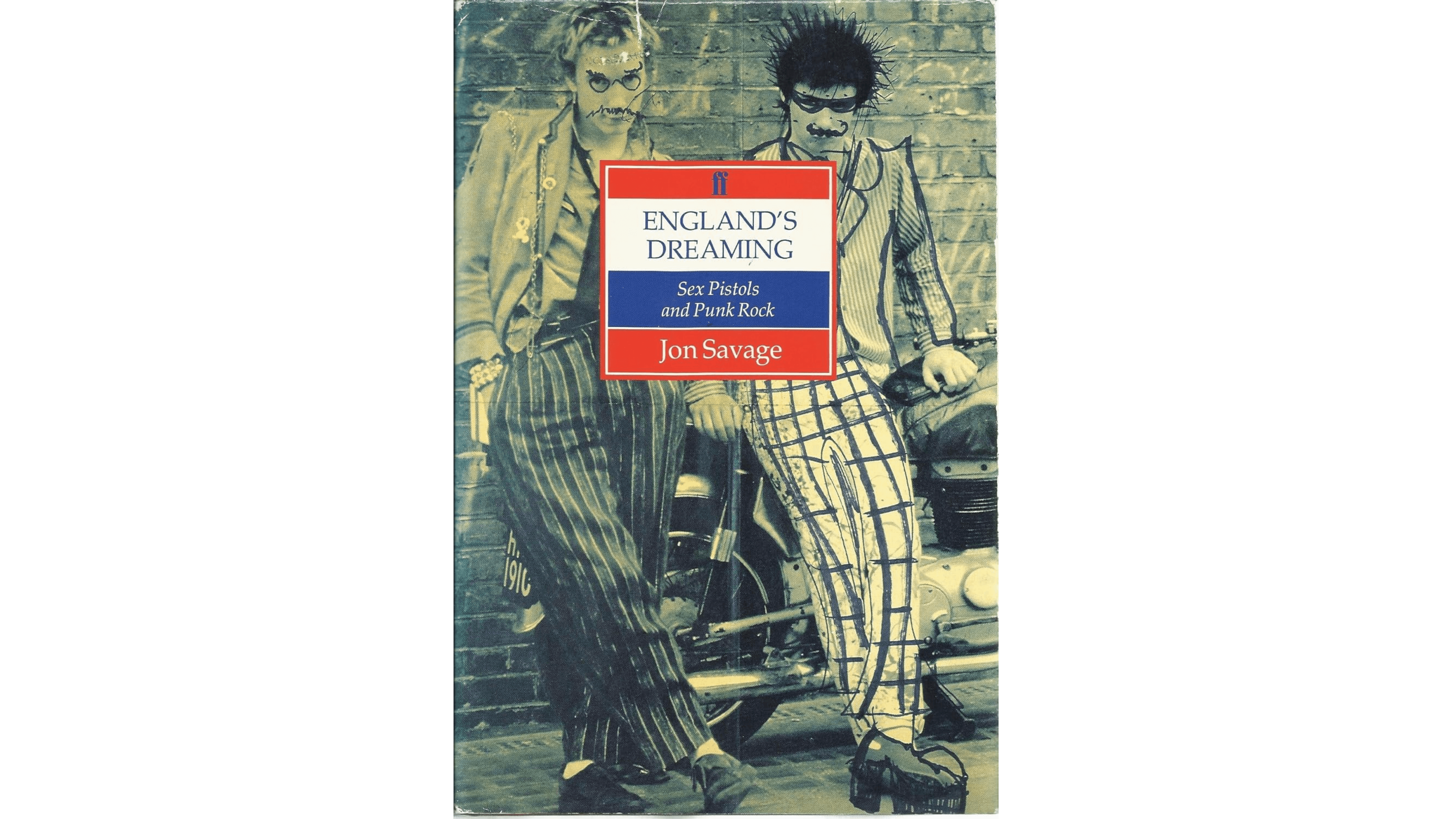
“I read this when I was 20 [and it showed me how] punk is a badge and a weapon. Savage reveals how English youth culture repeatedly creates figures who are both despised and magnetic: the kid who looks wrong, sounds wrong. That refusal becomes a kind of sanctity inside the subculture, while remaining taboo to the mainstream. The outsider becomes priest to a new congregation.”
Lipstick Traces (1989) by Greil Marcus
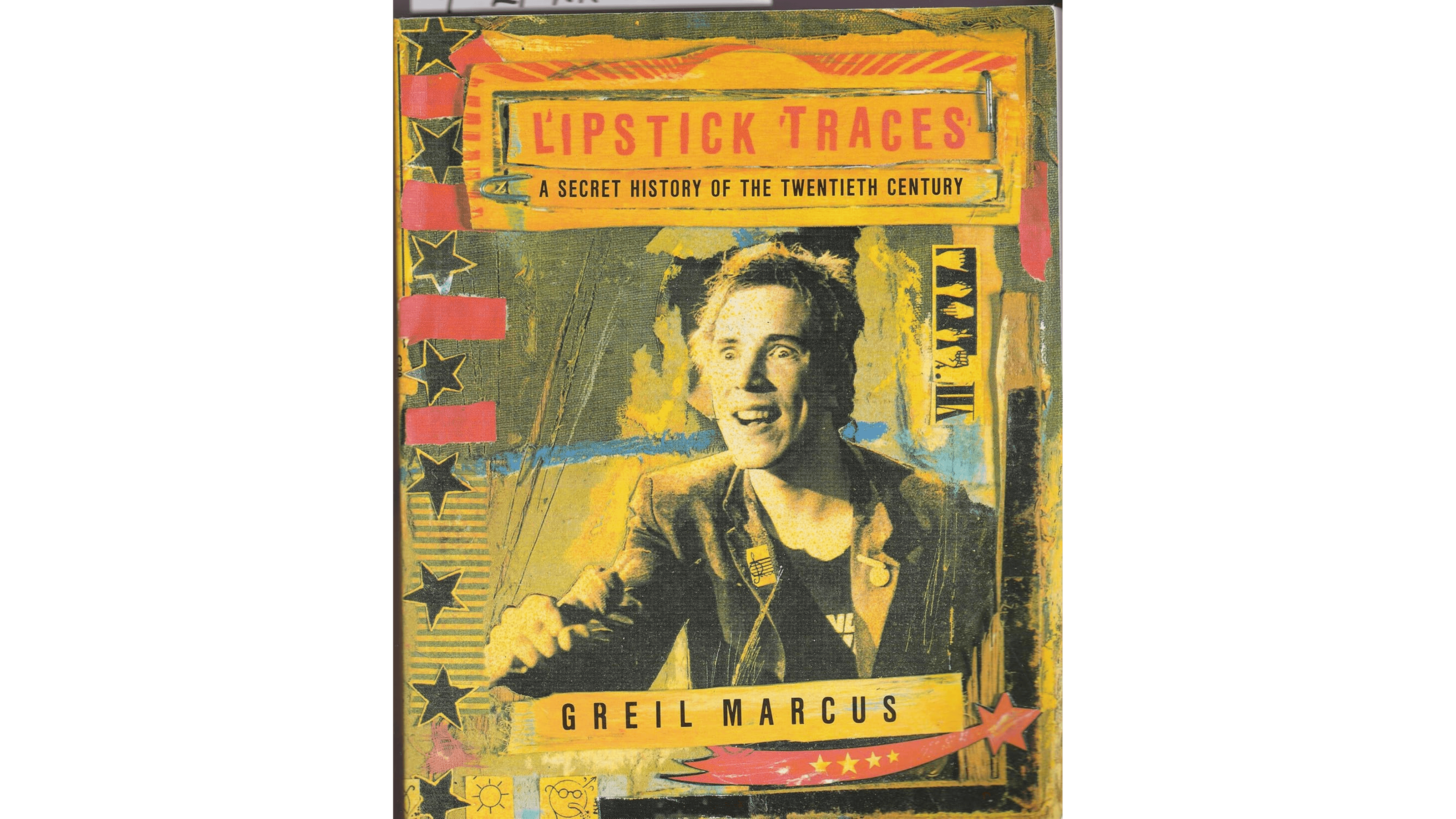
“I was given this book by Malcolm McLaren in Paris in 1992, the day before I stole the idea for Mojo from him. The excitement of the book is watching the same disruptive spirit – taboo because they deny continuity, family, nation, tradition, meaning itself – recur across centuries in different costumes. It’s refusal as a kind of recurring visitation.”
Be Here Now (1971) by Ram Dass
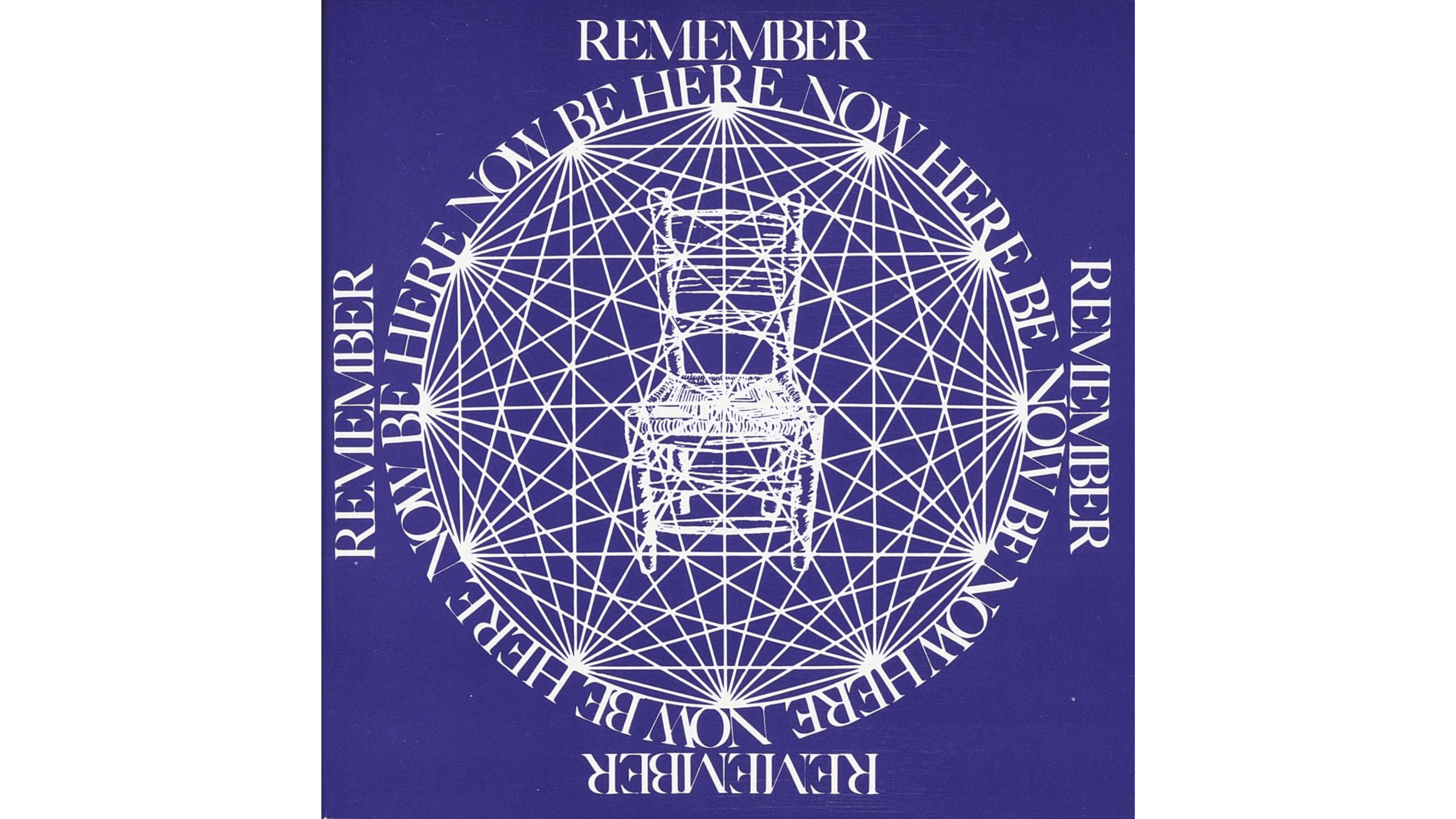
“This book is an invitation to become socially unplaceable. The outsider here is ‘holy’ because they renounce the game, yet taboo because renunciation threatens everyone still playing.”
The Golden Bough (1890) by James George Frazer
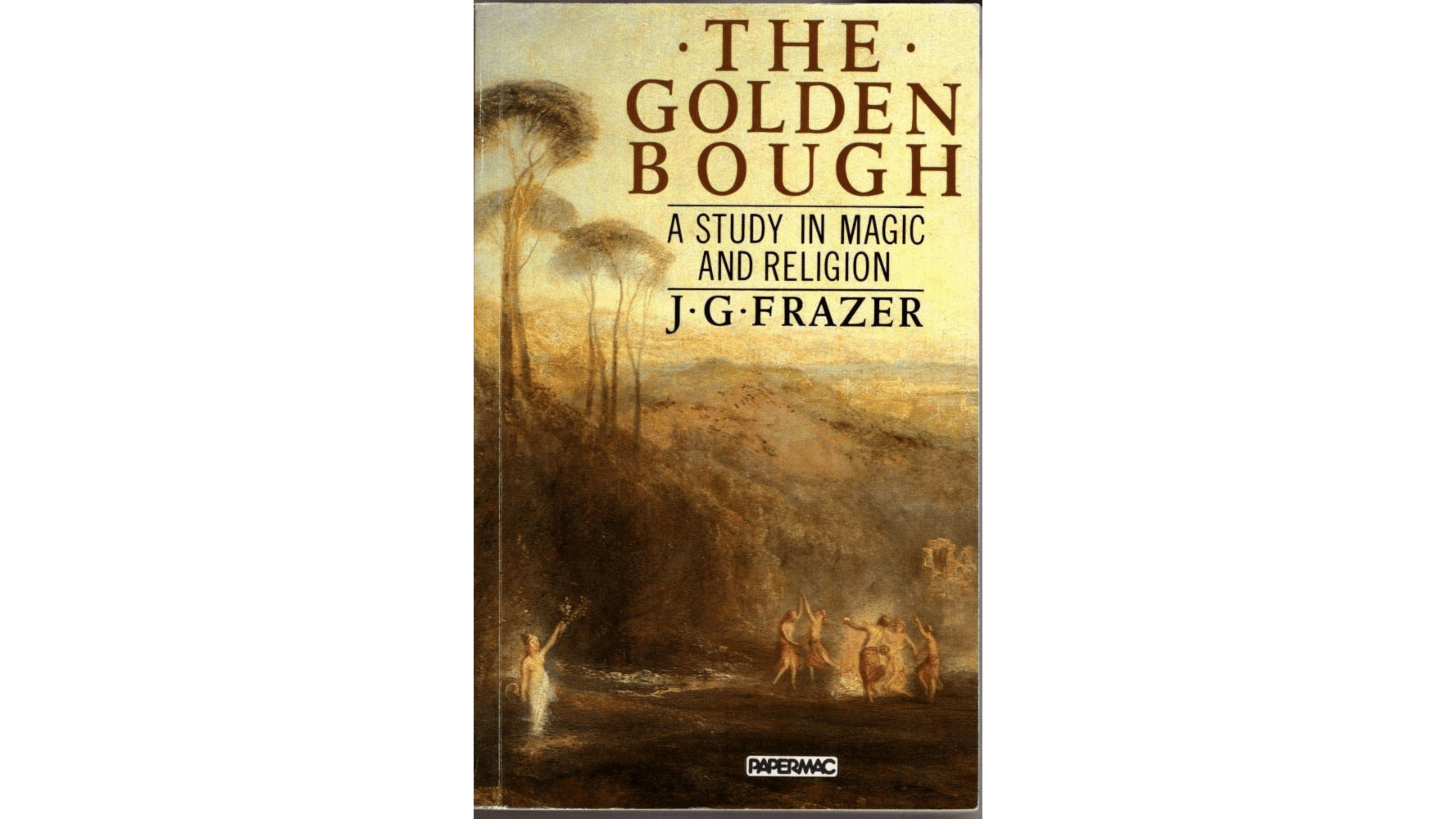
“Frazer is obsessed with the figure who is lifted up and then destroyed. The community makes someone sacred, loads them with meaning, then must remove them because that meaning is dangerous. The outsider here is the vessel: highest status because he carries the world’s luck, lowest because he becomes disposable once the ritual demands it. Frazer shows how often civilisation runs on that double-bookkeeping.”
The Rise and Fall of Merry England (1994) by Ronald Hutton
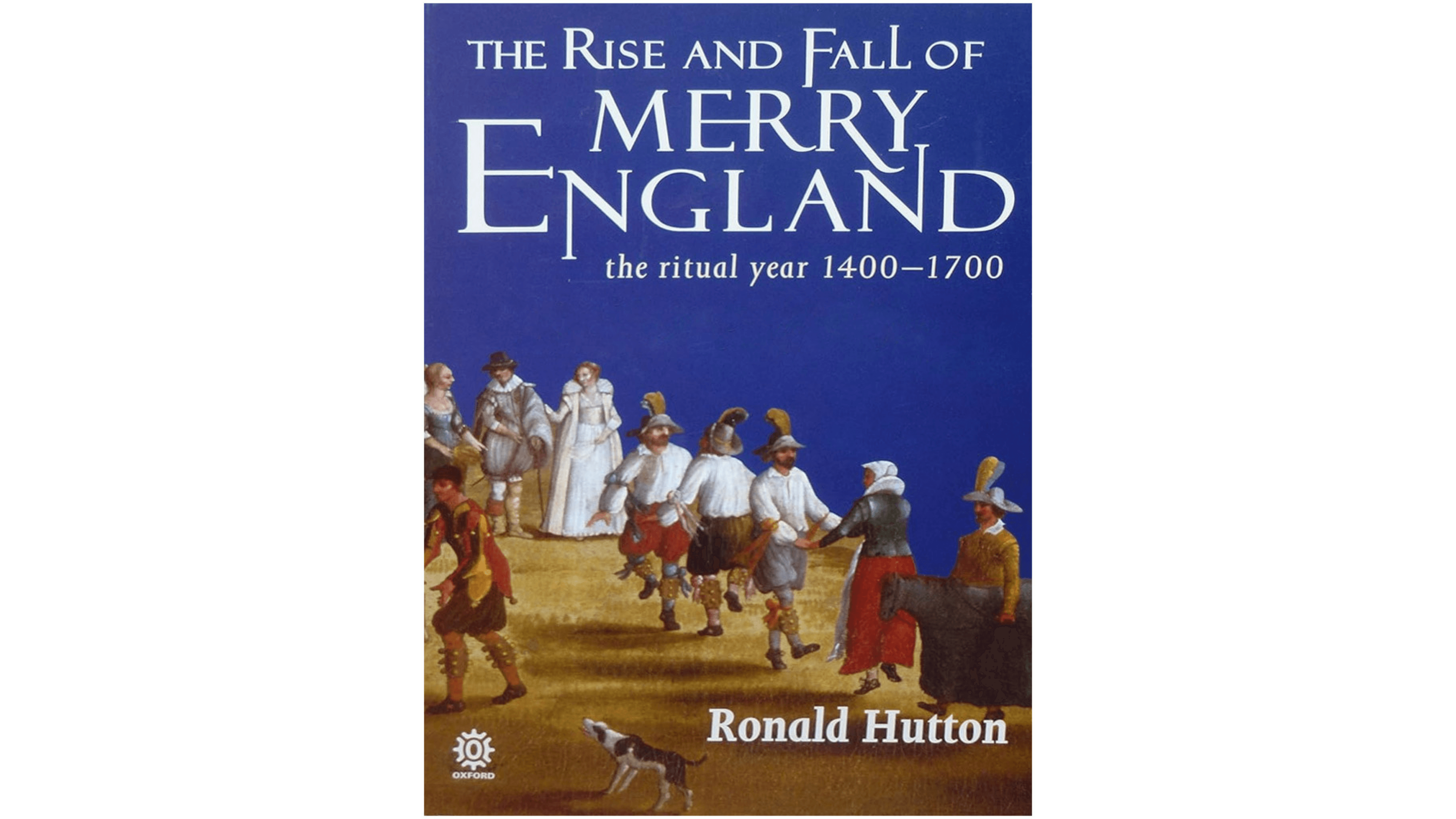
“Hutton’s central thrill is showing how ‘merriment’ is never just fun; it’s contested power. Festivals and carnivals create licensed outsiders – fools, masks, disruptive roles – people permitted to invert order for a day. That’s sacred/taboo time: the community needs controlled disorder to renew itself, but it also fears what happens if the inversion doesn’t stop. Hutton is great on the tension: celebration as sanctioned contamination.”
Plus, 4 Films & TV Shows To Watch Next
Looking for more ways to explore the world of Jerusalem? Here Jez shares a few on-screen recommendations that inspired his writing.
Echoes Of Rooster: Trumpton (1967)
“In a village obsessed with drills, uniforms and public order, Windy Miller lives above it all, governed by weather rather than clocks. He is consulted when disruption occurs and ignored once order resumes. His usefulness depends entirely on remaining unassimilated.”
The Self-Imposed Societal Outcasts: The Moon and the Sledgehammer (1971)
“The Page family live in a wooded clearing, surrounded by scrap metal, broken carts, rusted engines, animal pens and hand-built sheds. The talk is strange – jokey, elliptical – full of private language and sudden silences. No one explains themselves. No one invites understanding. What the film catches is not withdrawal or protest but absolute self-containment. They are poor, isolated – and yet completely beyond correction. They don’t want rescuing and they don’t want company. The clearing is their jurisdiction.”
The Alienated Central Character: Whistle Down The Wind (1961)
“A wounded escaped convict hides in a barn on a Lancashire farm. Children discover him first, feed him, protect him. Adults approach him as a problem: police procedure, property rights, danger management. The film tracks how authority asserts itself once the gap between those readings becomes visible. I saw this when I was eight.”
The Fellow Renegades: The Filth And The Fury (2000)
“In this documentary, the Sex Pistols recount their story without mediation. Media attention amplifies their outsider status, converting disruption into spectacle. Once the disruption exceeds its commercial usefulness, the same behaviours are condemned. The film shows how transgression is invited, exploited and then punished by the same system.”
There’s More – Delve Deeper Into Jerusalem With The Service95 Book Club...
WATCH Dua’s interview with playwright Jez Butterworth
LISTEN to their conversation with the Service95 Book Club podcast
LEARN more about the origins of Jerusalem from Jez
PRESS PLAY on Jez’s writing soundtrack