Great writing can do great things – as these six books prove. Across countries and causes, each one exposes systems, shifts culture and gives language to the fight for justice in their own way. We’ve collabed with our friends at online book store Tertulia for this list, to bring together stories that ignited and drove everything from from Brazil’s Black feminist movement and Japan’s #MeToo reckoning to a confrontation of class and queerness in France. These are books that help us see the world not just as it is, but as it could be. If your mind is open and you’re ready for your next read, make it one of these...
The Memoir That Ignited Japan’s #MeToo Movement
Black Box by Shiori Ito

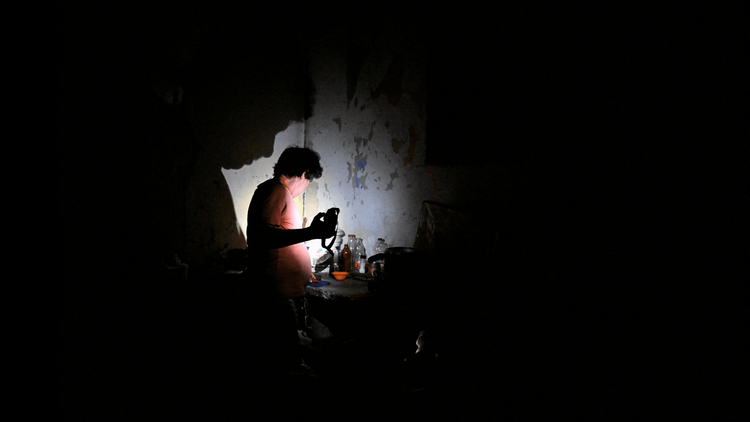
When Shiori Itō dropped Black Box in 2017, she cracked open one of Japan’s unspoken taboos. With the precision of a journalist and the candour of a memoirist, she exposed the prominent journalist who assaulted her and the system that tried to erase her. In refusing silence, Ito sparked Japan’s #MeToo moment and the viral Flower Demo protests that subsequently swept the country. This book is so much more than a personal testimony – it’s a cultural rupture, a work that forces society to look at what it most wants to hide.
The Queer Family Portrait Of A Generation
The Argonauts by Maggie Nelson

What counts as a family? What counts as a parent? What counts as a child? With this bombshell memoir, Maggie Nelson dismantles rigid notions of marriage, gender, and family through her own intimate story. Blending memoir and theory, she helped spark a broader conversation about queerness, fluid identities, and what it means to form a family on your own terms – making The Argonauts a radical, conversation-shifting must-read.
The Voice That Mainstreamed Black Feminism In Brazil
Where We Stand by Djamila Ribeiro

Not long ago, conversations about race and gender inequality in Brazil were largely confined to academic or activist circles. In calling out the everyday, systemic racism and sexism that shape life in the country, philosopher Djamila Ribeiro became a household name. This iconic book, part manifesto, part moral compass, Ribeiro blends philosophy, politics, and personal reflection to show what it means to fight for justice in a society built on inequality. Sharp, unapologetic, and impossible to ignore, her voice dares readers to take a stand.
The Anti-Mansplaining Mic Drop We’ve All Been Waiting For
Men Explain Things to Me by Rebecca Solnit

If you’ve ever been on the receiving end of a lecture you didn’t ask for, Rebecca Solnit’s Men Explain Things to Me will feel like a long-overdue mic drop. With wit, rigor and a touch of fury, Solnit exposes the subtle and not-so-subtle ways women’s voices are dismissed, erased, or talked over – and shows how these everyday slights connect to larger structures of power. This book helped transform the irritating experience of being mansplained into a clarion call for listening, reckoning, and change.
The Book That Put The Judiciary System On Trial
Are Prisons Obsolete? by Angela Y Davis

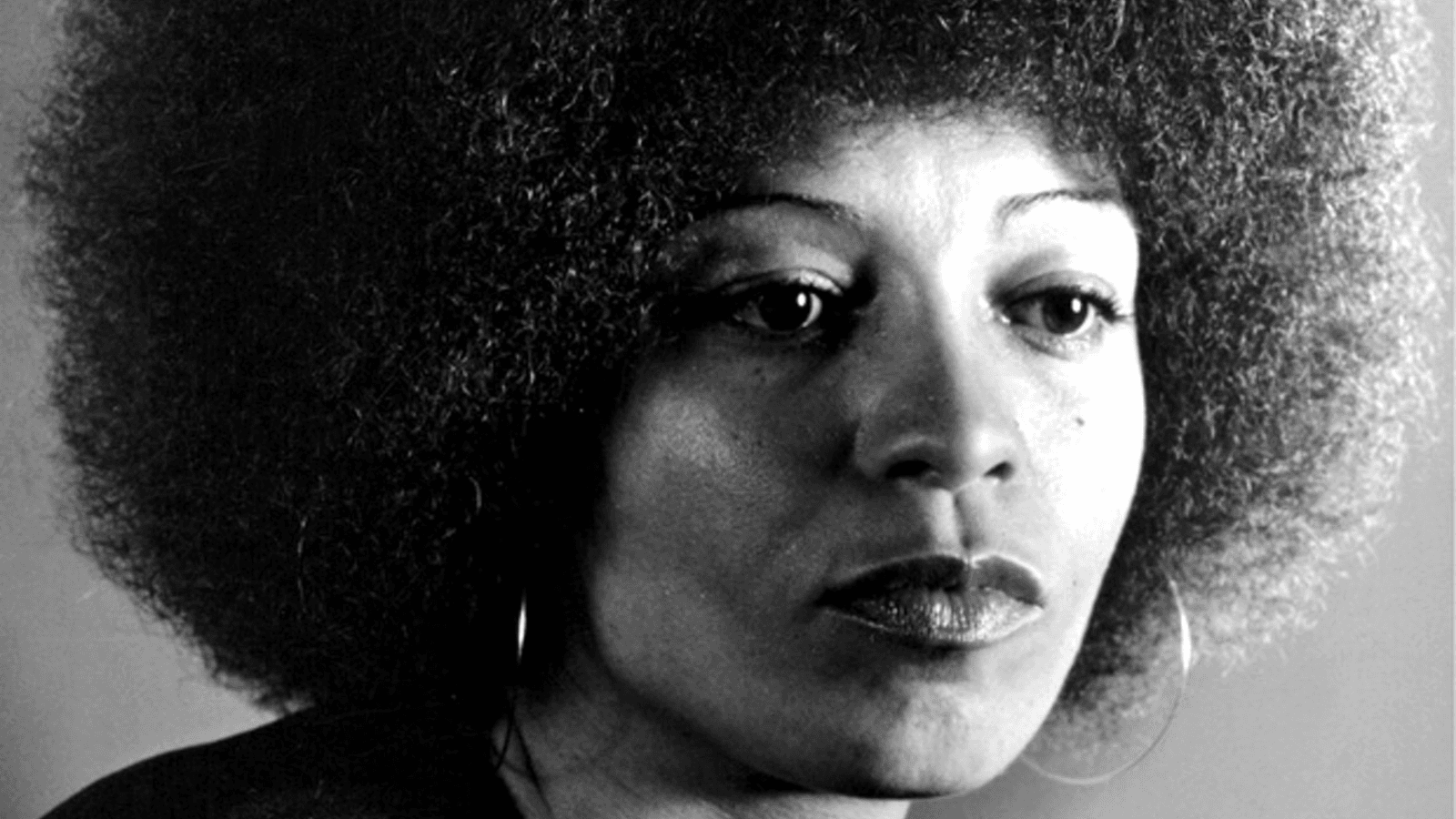
Today we take for granted the scourge of the prison industrial complex. But before prison reform entered mainstream debate, Angela Y Davis was probing the underlying question: how did incarceration become so normal? In just over 100 pages, Are Prisons Obsolete? traces the prison system’s roots in slavery, segregation, and state control, revealing how deeply punishment is embedded in American life. The book didn’t just give organisers a new vocabulary for talking about mass incarceration – it massively shifted public awareness and amplified the prison abolition movement.
The Coming-Out Story That Brought Marginalised Stories To The Fore
The End of Eddy by Édouard Lewis

Few books have electrified public conversation around class like The End of Eddy. Set in a rural French town, this work of autofiction follows a boy navigating poverty, violence, and enforced masculinity. Louis captures how class shapes the body, language and sense of self. The book challenged France’s literary and political elite to confront the realities they had long ignored and helped push the working-class experience into the centre of national debate.
Discover your next favourite book at Tertulia.com.